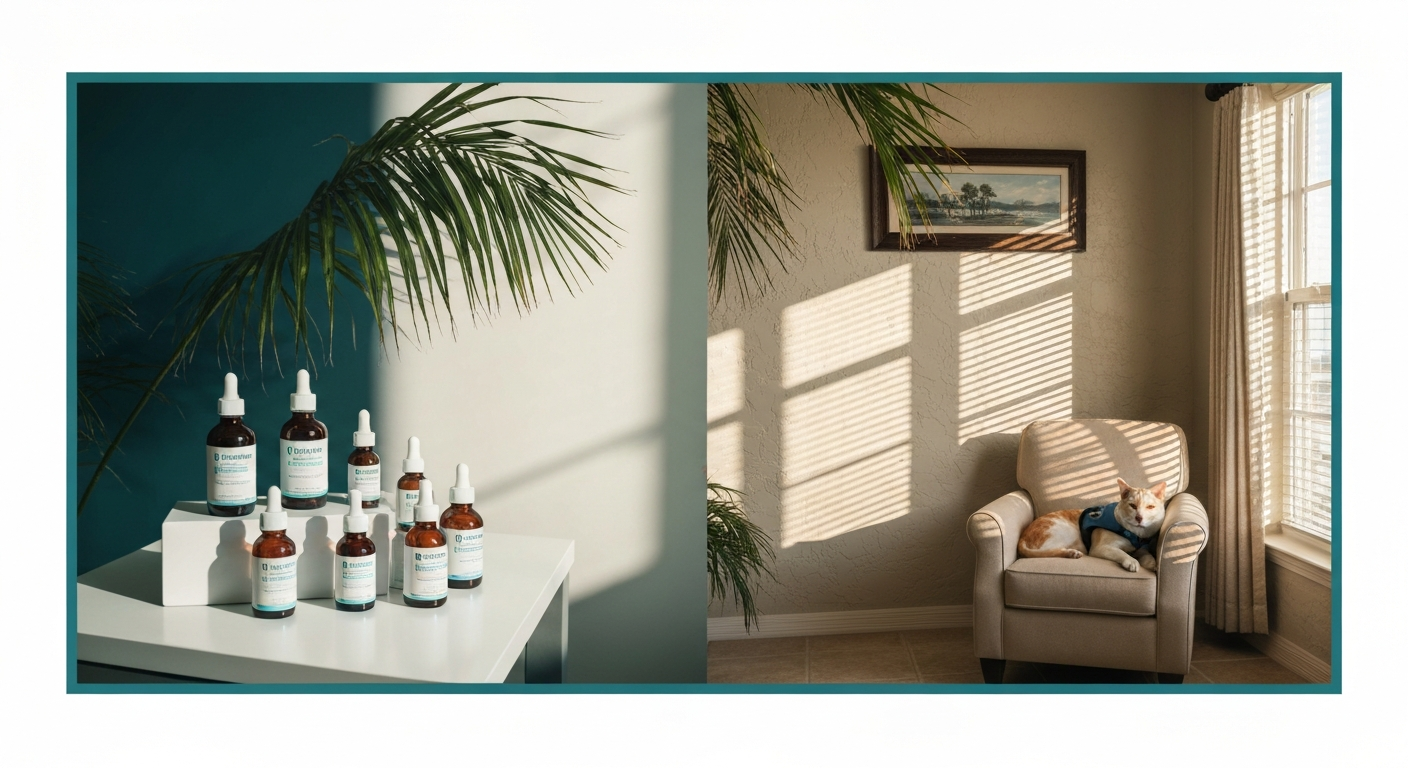
Best Emotional Support Animals for Florida Apartments — A Clinician-vetted Lineup
Choosing the right emotional support animal (ESA) for apartment living in Florida requires careful consideration of both your therapeutic needs and your living situation. Unlike service animals, which are limited to dogs and miniature horses under the ADA, emotional support animals can include a wider variety of species — provided a Florida-licensed mental health professional determines the animal provides therapeutic benefit for your documented mental health condition.
Under Florida Statute 760.27 and federal Fair Housing Act protections outlined in HUD's FHEO-2020-01 notice, landlords must provide reasonable accommodations for legitimate ESAs, even in "no pets" housing. However, the choice of animal species significantly impacts both your therapeutic outcomes and your housing success. Florida's warm climate, apartment density, and specific state licensing requirements create unique considerations for ESA selection.
This clinician-vetted guide examines the most apartment-appropriate emotional support animals for Florida residents, weighing therapeutic benefits against practical apartment living realities. Remember: only a Florida-licensed mental health professional can determine whether an ESA is therapeutically appropriate for your specific situation.
1. Small to Medium Dogs: The Gold Standard for Apartment ESAs
Dogs consistently rank as the most therapeutically effective emotional support animals, offering unparalleled emotional bonding, routine structure, and social facilitation. For Florida apartments, small to medium breeds (20-50 pounds) provide optimal therapeutic benefits while respecting space constraints and neighbor considerations. Breeds like Cavalier King Charles Spaniels, French Bulldogs, and Cocker Spaniels excel in apartment environments due to their moderate exercise needs and naturally calm temperaments.
Licensed clinicians frequently recommend dogs for clients managing anxiety, depression, and PTSD because of their intuitive emotional responsiveness and ability to provide grounding through physical contact. In Florida's social apartment communities, dogs also facilitate healthy social interactions and establish beneficial daily routines through walking schedules. However, successful apartment dog ownership requires commitment to daily exercise, regular grooming (especially important in Florida's humidity), and consistent training to prevent noise complaints.
Practical takeaway: Small to medium dogs offer maximum therapeutic benefit but require the highest commitment level. Ensure you can provide adequate exercise, training, and veterinary care before choosing a canine ESA. For breed-specific guidance tailored to Florida apartment living, explore our comprehensive guide on ESA dogs and the best breeds for Florida apartments.
2. Cats: Low-Maintenance Therapeutic Companions
Cats represent an excellent middle ground for Florida apartment dwellers seeking meaningful emotional support with lower maintenance requirements than dogs. Their independent nature suits busy lifestyles, while their purring provides documented therapeutic benefits through vibrations that can lower blood pressure and reduce cortisol levels. Indoor cats adapt exceptionally well to apartment living and don't require daily outdoor exercise, making them ideal for high-rise Florida buildings.
From a clinical perspective, cats provide consistent emotional support through their presence and affectionate behavior without the intensive daily care requirements of dogs. They're particularly beneficial for individuals managing depression who may struggle with energy levels, as cats require less active engagement while still providing companionship and routine. Florida's warm climate makes year-round indoor living comfortable for cats, and their natural pest control abilities can be advantageous in some apartment settings.
Practical takeaway: Cats offer substantial therapeutic benefits with moderate care requirements, making them suitable for most apartment dwellers. Consider adopting from Florida shelters to find a cat whose temperament matches your therapeutic needs. Learn more about selecting the right feline companion in our guide to ESA cats as quiet companions in Florida.
3. Rabbits: Surprisingly Effective Apartment ESAs
Rabbits are gaining recognition among licensed mental health professionals as highly effective apartment ESAs, particularly for clients who cannot accommodate dogs or cats due to allergies or housing restrictions. These quiet, clean animals provide therapeutic benefits through their soft texture, gentle nature, and surprisingly engaging personalities. Rabbits can be litter-trained, require no outdoor access, and produce minimal noise — crucial advantages in Florida's dense apartment communities.
Clinically, rabbits excel at providing calming presence for individuals with anxiety disorders. Their predictable daily routines, gentle movements, and soft fur offer tactile comfort that many clients find deeply soothing. Rabbits also live 8-12 years, providing long-term therapeutic consistency. However, they require specialized veterinary care, carefully controlled diets, and rabbit-proofed living spaces to prevent destructive chewing behavior.
Practical takeaway: Rabbits can be excellent apartment ESAs for the right person, offering unique therapeutic benefits with relatively modest space requirements. Ensure access to exotic veterinary care in your Florida area before choosing a rabbit ESA. For detailed information about rabbit care and legal considerations, review our comprehensive resource on rabbits as emotional support animals in Florida.
4. Birds: Intelligent Companions for Social Support
Certain bird species, particularly cockatiels, conures, and smaller parrots, can serve as effective emotional support animals for apartment living. Birds offer unique therapeutic benefits through their intelligence, ability to learn routines, and capacity for limited vocal interaction. Their relatively small space requirements make them suitable for even studio apartments, while their social nature provides companionship without the physical demands of mammalian pets.
Licensed clinicians sometimes recommend birds for clients who benefit from caring routines but have physical limitations that make dog or cat care challenging. Birds establish strong bonds with their owners and can provide consistent daily interaction through feeding, training, and socialization activities. However, birds require specialized diets, climate-controlled environments (important in Florida's variable weather), and can live 20+ years, representing a significant long-term commitment.
Practical takeaway: Birds can be suitable apartment ESAs for clients seeking intelligent, interactive companionship with modest space requirements. Research noise levels and apartment policies carefully, as some birds can be quite vocal. Ensure access to avian veterinary specialists in your Florida area.
5. Guinea Pigs: Gentle Social Animals
Guinea pigs offer therapeutic benefits similar to rabbits but with even more social, interactive personalities. These small mammals thrive in pairs, providing both human-animal and animal-animal social dynamics that can be particularly beneficial for individuals managing loneliness or social anxiety. Guinea pigs are naturally vocal, offering gentle communication through their characteristic "wheeking" sounds, and their small size makes them ideal for apartment living.
From a therapeutic standpoint, guinea pigs provide routine structure through regular feeding schedules, gentle physical contact, and engaging personalities that many clients find endearing. They're less likely to cause property damage than rabbits and generally adapt well to handling, making them suitable for individuals who benefit from physical interaction with their ESA. However, guinea pigs require social companionship (ideally living in pairs), specialized diets rich in vitamin C, and regular cage maintenance.
Practical takeaway: Guinea pigs can be excellent apartment ESAs, particularly for individuals who would benefit from caring for social animals with engaging personalities. Plan for adopting pairs and ensure adequate space for appropriate housing setups.
6. Ferrets: Active Companions for Engaging Interactions
Ferrets present a unique option for apartment-dwelling ESA candidates who would benefit from a more interactive, playful animal companion. These intelligent, social mammals offer dog-like engagement levels in a smaller package, making them potentially suitable for certain apartment situations. Ferrets can be litter-trained, enjoy interactive play, and form strong bonds with their owners while requiring less space than dogs.
However, ferrets require significant consideration for apartment living. They need several hours of supervised out-of-cage time daily, require ferret-proofing of living spaces, and can produce noticeable odors despite regular bathing. Additionally, ferrets are illegal in some Florida municipalities, making local legal research essential before considering a ferret ESA. Licensed clinicians typically recommend ferrets only for clients who specifically would benefit from highly interactive animal relationships and can commit to intensive daily engagement.
Practical takeaway: Ferrets can serve as engaging ESAs but require extensive research into local legality and apartment policies. Only consider a ferret ESA if you can provide multiple hours of daily supervised interaction and have confirmed local legal compliance.
7. Fish: Minimal Maintenance Therapeutic Presence
Aquarium fish represent the lowest-maintenance ESA option suitable for any apartment setting. While fish cannot provide physical interaction, they offer documented therapeutic benefits through their calming visual presence, the meditative qualities of watching fish swim, and the routine structure of aquarium maintenance. For individuals with severe physical limitations, allergies, or highly restrictive housing situations, fish can provide legitimate emotional support with minimal practical complications.
Research supports the stress-reducing effects of watching fish, with studies showing decreased blood pressure and anxiety levels among regular aquarium observers. Fish also provide a sense of responsibility and routine without the intensive care requirements of other animals. However, aquariums require initial setup investment, ongoing maintenance, and potential electricity cost considerations in Florida's warm climate for tank temperature regulation.
Practical takeaway: Fish can serve as legitimate ESAs for individuals who would benefit from calming visual presence and minimal-maintenance routine structure. Consider both freshwater and saltwater options based on your interest level and maintenance preferences.
Key Factors for Choosing Your Florida Apartment ESA
Selecting the most appropriate ESA requires balancing your specific mental health needs with practical apartment living considerations. Licensed mental health professionals evaluate several key factors when determining ESA appropriateness: your therapeutic needs, living situation constraints, ability to provide proper animal care, and long-term commitment capacity.
Florida-specific considerations include climate impact on animal comfort, availability of veterinary care for your chosen species, local municipal regulations that may affect certain animals, and apartment community policies beyond basic Fair Housing Act requirements. Additionally, consider your neighbors' experiences — while you have legal rights to your ESA, maintaining positive community relationships supports long-term housing stability.
Before making your final decision, research local veterinary resources, pet supply availability, and emergency care options for your chosen species. Florida's hurricane season requires additional preparedness planning for any ESA, including evacuation procedures and emergency supply maintenance.
Understanding Florida ESA Legal Requirements
Florida Statute 760.27 establishes specific requirements for valid ESA letters that differ from some other states' regulations. Most importantly, the mental health professional issuing your ESA letter must be licensed in Florida or have an established prior in-person therapeutic relationship with you. Online-only services using out-of-state providers cannot issue legally valid Florida ESA letters.
Valid ESA letters must come from licensed mental health professionals (typically LCSWs, LMHCs, LMFTs, psychologists, psychiatrists, or qualifying primary care providers) who can document your mental health condition and the therapeutic necessity of your ESA. The letter should clearly state the professional's Florida license information, your qualifying mental health condition, and the specific therapeutic benefits your ESA provides.
Under HUD's FHEO-2020-01 guidance, landlords may request documentation of your ESA's health, vaccinations, and behavioral training, particularly for dogs. While landlords cannot charge pet deposits or rent for legitimate ESAs, you remain responsible for any property damage and must ensure your ESA doesn't pose safety threats to other residents. For comprehensive information about securing proper documentation, review our detailed guide to Florida ESA housing letters and FHA protections.
Training and Behavioral Considerations
Regardless of your chosen ESA species, proper training and behavioral management are crucial for apartment living success. While ESAs don't require the specialized training of psychiatric service dogs, they must be well-behaved, house-trained (when applicable), and non-disruptive to other residents. Poor animal behavior can jeopardize your housing situation and damage the reputation of legitimate ESA accommodations.
For dogs and cats, basic obedience training, socialization, and consistent behavioral expectations prevent common apartment issues like excessive barking, property damage, or aggressive behavior toward other residents. Even smaller animals like rabbits and guinea pigs benefit from handling training and environmental enrichment that prevents destructive behaviors.
Florida offers numerous resources for animal training, including positive reinforcement classes, behavioral consultants, and veterinary behaviorists for more complex issues. Investing in proper training protects both your housing situation and your ESA's wellbeing. Learn more about establishing good behaviors in our guide to ESA training basics for Florida residents.
Making Your Final Decision
The "best" ESA for your Florida apartment depends entirely on your individual mental health needs, lifestyle, housing situation, and long-term commitment capacity. While dogs typically offer the most comprehensive therapeutic benefits, they also require the highest level of daily commitment. Cats, rabbits, and other smaller animals can provide substantial emotional support with different care requirements that may better match your current life circumstances.
Schedule a consultation with a Florida-licensed mental health professional to discuss your specific therapeutic needs and determine whether an ESA is appropriate for your mental health treatment plan. A qualified clinician can help you evaluate which type of animal might provide optimal therapeutic benefits while considering your practical living constraints.
Remember that obtaining an ESA represents a significant commitment to both your mental health treatment and responsible animal care. Choose an animal whose needs you can meet consistently over their entire lifespan, ensuring both your therapeutic success and your ESA's wellbeing.
Important Legal and Medical Disclaimers
This article provides general educational information about emotional support animals and is not intended as medical, mental health, or legal advice. Only a Florida-licensed mental health professional can determine whether an ESA is therapeutically appropriate for your specific mental health condition. ESA letters must be issued by properly licensed professionals in compliance with Florida Statute 760.27 and federal Fair Housing Act requirements.
For housing discrimination issues or landlord disputes, consult a Florida-licensed attorney familiar with fair housing law. For mental health evaluation and ESA letter issuance, work exclusively with Florida-licensed mental health professionals who can provide proper clinical assessment and documentation.
Individual results may vary, and the therapeutic effectiveness of any ESA depends on proper professional evaluation, appropriate animal selection, and consistent long-term care. Always research local and state regulations affecting your chosen animal species, as some municipalities have additional restrictions beyond state and federal ESA protections.
Ready to start your Florida ESA letter?
Licensed Florida clinician review. Compliant with state law.
Get My Florida ESA Letter